Why Derby Matches Are So Unpredictable: Form Goes Out the Window, and Here's Why

- Primary Signal: Why Derby Matches Are So Unpredictable: Form Goes Out the Window, and Here's Why
- Overview: Derby matches regularly defy form, league position and logic. Here is what makes derbies different: the crowd, the pressure, the tactics and the psychology that turn favourites int...
- Verification: Analyzed and compiled by Soccer2026 LiveWire editorial monitoring desk.
A derby is not a normal league match with louder fans. It is a match between two clubs that share a city, a region or a history, where the result matters beyond the three points because it decides local pride, bragging rights and, for many fans, the mood of the following week. That emotional weight changes how players behave. Young players who are calm in normal matches can become overexcited and rush decisions. Experienced players who usually manage games can be drawn into individual battles. Coaches who usually trust their system can become cautious, fearing that a derby defeat will define their season more than any other loss. The result is a match that is systematically less predictable than a normal fixture between the same two teams.
The unpredictability shows up in the numbers. Favourites win derbies less often than they win comparable non-derby matches, draws are more common, and red cards are more frequent, because the intensity that makes derbies thrilling also makes them ill-tempered. That does not mean form is irrelevant: a much stronger team still usually beats a much weaker one, even in a derby. It means the gap between the teams narrows, so a favourite that would win seven times in ten in a normal match might win only five or six times in ten in a derby, and the underdog's chances of a draw or a shock win rise accordingly. For fans, that narrowing is the whole appeal. For analysts, it is a reason to be humble about derby predictions.
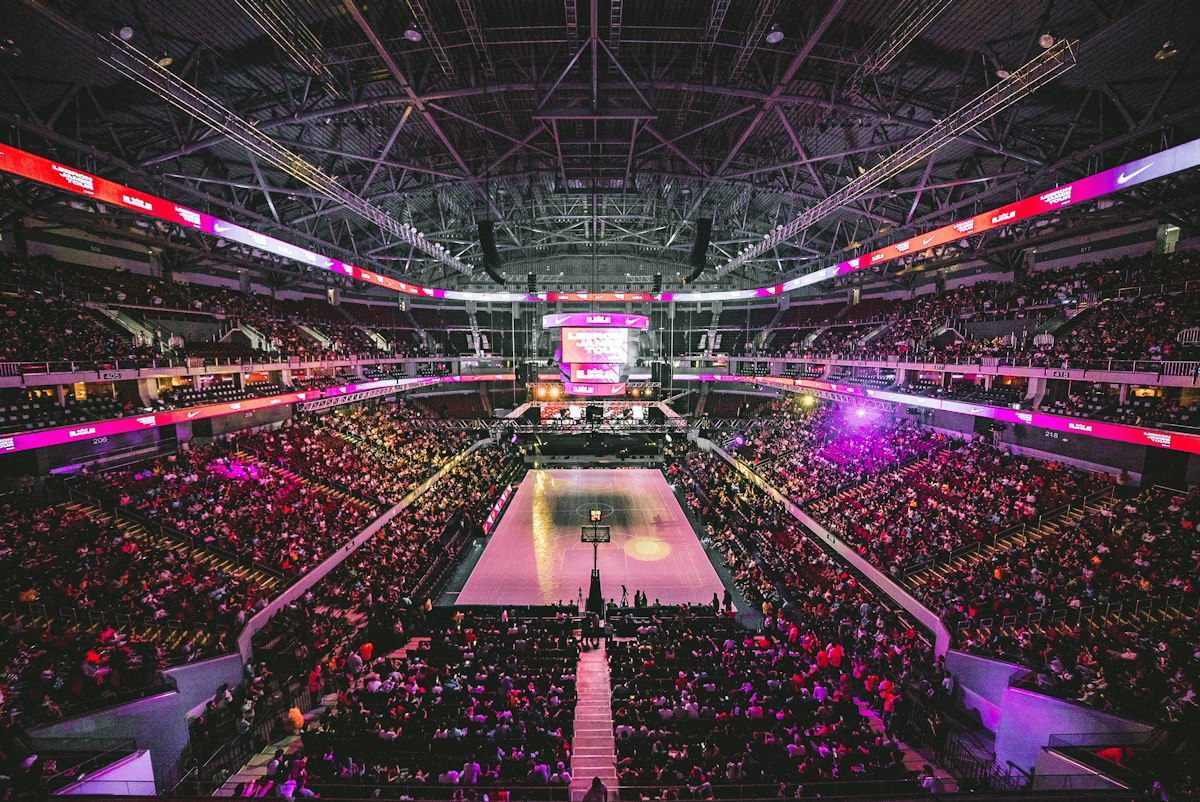
The crowd is the most visible derby factor, and it works in both directions. A home crowd in a derby is louder, more hostile and more involved than in a normal match, which lifts the home team but also raises the pressure on it: the home players know that losing in front of their own fans in a derby hurts more than losing anywhere else. An away crowd, even a small one, can have an outsized effect, because away fans in a derby are often louder and more organised than usual, and their players can hear them clearly. The result is an atmosphere that is more intense for everyone, which tends to produce a frantic opening 20 minutes, full of tackles, long balls and mistakes, before the game settles into something more recognisable.
That frantic opening is where derbies are often decided. A team that survives the first 20 minutes without conceding, without losing a player to a red card and without being dragged into the emotional tempo can usually impose its quality as the game calms down. A team that concedes early, or loses its shape chasing an equaliser, can spend the rest of the match fighting the occasion as well as the opponent. Coaches therefore prepare derbies differently: they talk about discipline, about not being drawn into individual battles, about surviving the storm and trusting the plan. The teams that listen usually win. The teams that do not usually regret it by half-time.
Tactically, derbies tend towards caution, which is counterintuitive given their reputation for chaos. Because losing a derby carries such a heavy cost, many coaches set up not to lose first and to win second, which produces cagey first halves, few clear chances and a premium on set pieces and individual moments. That caution is why derby scorelines are often low and why a single goal, a single error or a single refereeing decision can decide them. A favourite that expects to dominate possession and create chances can find itself frustrated by an underdog that defends deep, fouls strategically and waits for a counter-attack or a set piece, a pattern that repeats across derbies in every country.
For fans and analysts, the best way to judge a derby is to weight the occasion alongside the form, not instead of it. Start with the normal analysis: form, injuries, tactics and expected goals over recent games. Then adjust for the derby factors: which team handles pressure better, which team has more derby experience in its lineup, which coach has a better derby record, and which team needs the result more for reasons beyond the table, such as a relegation fight or a title race where local pride amplifies the stakes. If the favourite is young, inexperienced in derbies and under pressure, downgrade it. If the underdog is experienced, disciplined and playing at home, upgrade it. The adjustment should be modest, not total: form still matters, but the derby narrows the gap.
The broader lesson of derbies is that football is not played on spreadsheets. Emotion, pressure, familiarity and pride are real variables, and they affect performance in measurable ways, even if they cannot be measured as precisely as shots or passes. A derby is where those variables are at their strongest, which is why it is the fixture that most often makes analysts look foolish and fans look wise. Enjoy that unpredictability rather than fighting it: the derby that defies every prediction is not a failure of analysis, it is a reminder of why the game is worth watching in the first place, and why the next derby, however predictable it looks on paper, is never quite as predictable as it seems.
📖 Continue Reading the Full Story
Continue reading this article on Soccer2026 LiveWire.
⚡ Access Full Content NowMore from Soccer2026 LiveWire


 🏆 2026 Football Online
How Does the 2026 World Cup Format Work? 48 Teams, 12 Groups and the New Round of 32
The 2026 World Cup is the biggest ever: 48 teams, 104 matches, and a brand-new Round of 32. Here is a plain-En...
 🇮🇹 Mondiali 2026 Italia
Mondiali 2026 Nuovo Formato a 48 Squadre Spiegato in Modo Semplice
Guida pratica su mondiali 2026 formato 48 squadre spiegato: cosa significa, come funziona, errori da evitare e...
 🏆 2026 World Cup Central
World Cup 2026 Host Cities Ranked by Atmosphere, Transport and Matchday Experience
Sixteen cities hosted 104 matches, but the fan experience varied wildly — here is how the venues compared....
 🏆 WorldCup2026 Cities
Performance Benchmark: BMI Calculator — Body Mass Index & Healthy Weight (Day 7 Guide)
Understanding real-world data from the BMI Calculator — Body Mass Index & Healthy Weight on WorldCup2026 Citie...