Soccer Comeback Psychology Explained: Momentum, Belief and Why Leads Disappear
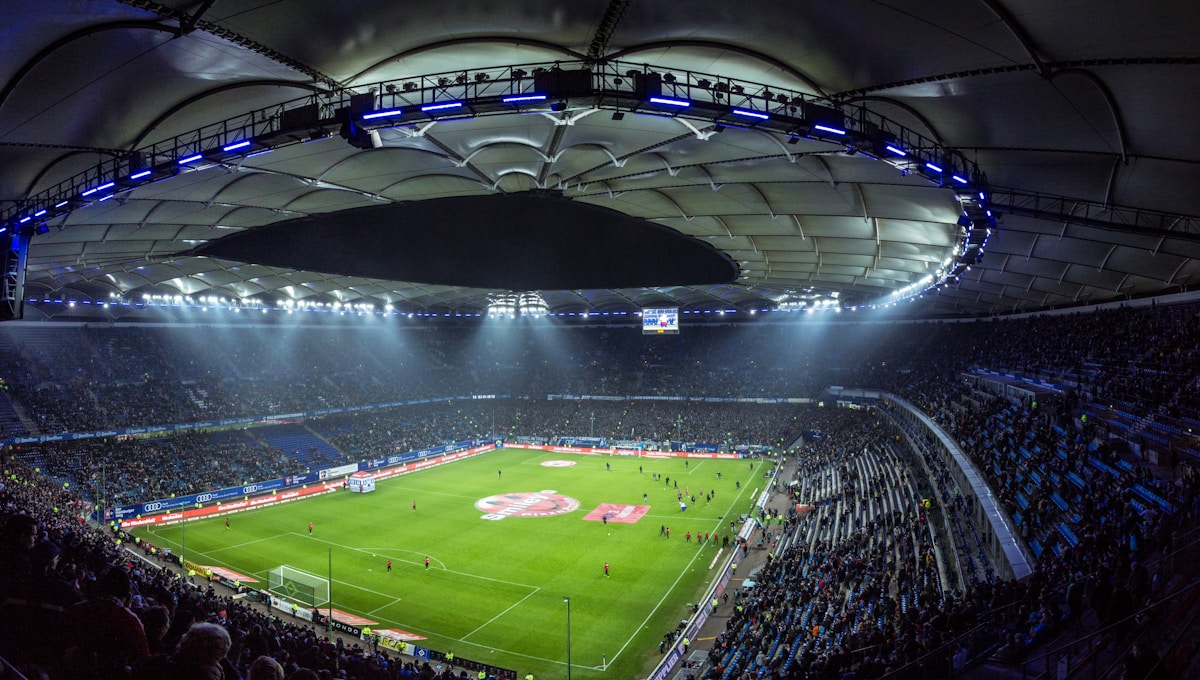
- Primary Signal: Soccer Comeback Psychology Explained: Momentum, Belief and Why Leads Disappear
- Overview: Soccer comebacks happen when momentum shifts, belief grows in one team and doubt creeps into the other, often after a single goal....
- Verification: Analyzed and compiled by Soccer2026 LiveWire editorial monitoring desk.
Every football fan has watched a comfortable lead disappear and wondered how a team that looked beaten suddenly became unstoppable. Comebacks are often described as momentum, but momentum is not magic; it is a combination of tactical changes, psychological shifts, and the leading team's behaviour. Understanding those ingredients explains why some leads are safe and others collapse.
The turning point in most comebacks is the first goal back, which changes the scoreline, the crowd's energy, and both teams' body language in an instant. The trailing team gains belief that the comeback is possible, while the leading team, which may have been comfortable, suddenly faces pressure it had not felt all match. That psychological shift affects decision-making: trailing players take more risks and run harder, while leading players may become cautious and defend deeper.
Crowd influence amplifies the effect, especially at home, where noise levels rise and the leading team feels the stadium turning against it. Even without a crowd, the shift in momentum is visible in pressing intensity, passing speed, and willingness to commit players forward. A comeback rarely begins with a tactical masterstroke alone; it begins with a moment that makes belief rational.
Coaches chasing a game usually change shape, personnel or risk profile: adding an attacker, pushing full-backs higher, switching to a more direct style, or pressing more aggressively. These changes increase attacking numbers and create more chances, but they also leave the team exposed to counter-attacks, which is why comebacks often involve chaotic, end-to-end football. The leading team's response matters just as much: a coach who reacts by adding defensive players and protecting the lead can stabilise the game, while one who does nothing may watch the pressure build.
Substitutions play a central role, with fresh attackers bringing energy against tired defenders and changing matchups. A pacey winger introduced late can stretch a defence that has defended comfortably all match, while a target striker offers a new outlet for long balls. The best comeback coaches plan these changes before the match, knowing which substitutes can change the game's tempo.
Leading teams lose leads for predictable reasons: they drop too deep and invite pressure, they stop pressing and let the opponent build attacks comfortably, or they waste time in ways that break their own rhythm. Protecting a lead by defending the penalty box sounds sensible, but it concedes territory and allows the trailing team to sustain attacks, increasing the chance of a goal from a set piece or a deflection.
Fatigue also plays a role, particularly if the leading team has expended great energy to build the lead. Tired defenders make more errors, react slower to runners, and clear less effectively, while fresh substitutes on the other side exploit exactly those weaknesses. The final minutes of a match therefore favour the chasing team more than the scoreline alone suggests.
No comeback is guaranteed, and most leads, even two-goal leads, are still held. But certain conditions make comebacks more likely: an early goal back, a red card, a tactical change that adds attacking numbers, a tiring defence, and a home crowd driving the chase. Analysts use expected goals and game state data to estimate comeback probability, but football's low scoring means a single moment can overturn even the best model.
For fans, the lesson is to watch the first goal back closely: does the leading team respond by regaining control, or does it retreat and invite more pressure? The answer usually predicts whether the comeback completes or stalls, long before the final whistle.
Soccer comebacks combine a belief-shifting first goal, tactical changes that add attacking numbers, and leading teams that drop too deep or tire. Momentum is not magic but a visible change in energy, risk-taking and control, and the leading team's response usually decides whether it survives.
📖 Continue Reading the Full Story
Continue reading this article on Soccer2026 LiveWire.
⚡ Access Full Content NowMore from Soccer2026 LiveWire



 ⚽ SportsBet Insights Live
How Betting Odds Work (Explained So Simply Anyone Gets It)
Decimal, fractional, American — every odds format explained in plain English, plus how to convert odds into pr...
 🇮🇹 Mondiali 2026 Italia
What Is Vig in Sports Betting? How Bookmakers Take Their Cut
Vig (vigorish) is the bookmaker's built-in commission on every bet. Learn how vig works, how to calculate it f...
📋 Football2026 Tactics
How Does an AI Receptionist Work for a Football Merchandise Store?
A step-by-step look at how an AI receptionist answers in your store's name, checks real stock before confirmin...
 🌍 Soccer2026 Global
Should Every Sports Clinic Have an AI Receptionist? The Complete Guide
How an AI voice receptionist works for a sports physiotherapy clinic: answering in the clinic's name, booking ...